
Veneers vs Bonding: Which Smile Makeover is "Right" for You?
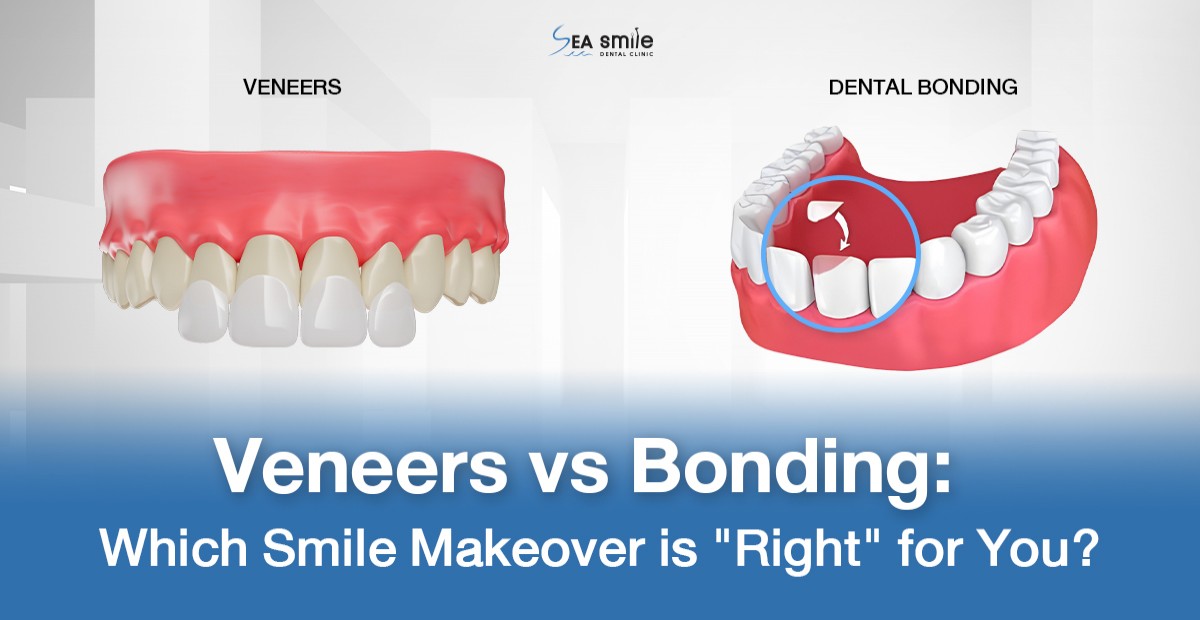
We’ve all had those moments—catching a glimpse of ourselves in a photo or the mirror and thinking our smile could use a bit more spark. Whether it’s a chipped edge from an old sports injury or just teeth that have dulled after one too many morning flat whites, wanting a refresh is completely normal. It’s not just about vanity; it’s about confidence.
When you start looking into cosmetic dentistry, two major options usually dominate the conversation: Porcelain Veneers and Dental Bonding. But it can be tricky to know which path to take. It’s not just about the cost; it’s about your lifestyle and long-term goals.
Before you commit, it helps to understand exactly what you’re signing up for. Whether you are considering a Veneer or a simple bonding treatment, here is the lowdown to help you decide.
1. Porcelain Veneers: The Long-Term Investment
Think of this as the "full renovation" for your smile. It’s a premium option designed to stand the test of time.
But what exactly is a Veneer? Essentially, it is a bespoke, wafer-thin shell of ceramic (porcelain) that is custom-made in a lab to fit your tooth perfectly. Your dentist then bonds this shell to the front surface of your tooth to mask imperfections.
Why Aussies love them:
-
Unmatched Aesthetics: Porcelain mimics the light-reflecting properties of natural enamel better than any other material. It’s almost impossible to spot the difference.
-
Stain Resistance: This is a massive plus. If you enjoy a glass of shiraz or a curry, you won’t have to worry as much. The ceramic surface is incredibly resistant to staining.
-
Durability: Once a Veneer is bonded to the underlying tooth structure, it becomes incredibly strong and can last anywhere from 10 to 15 years (or more) with proper care.
2. Dental Bonding: The Quick and Flexible Fix
On the other hand, we have Dental Bonding. This uses a composite resin—the same material used for white fillings. Think of this as a "touch-up" rather than a full rebuild.
The dentist applies the resin directly to your tooth, sculpts it into shape, cures it with a special light, and polishes it. The best part? It can usually be done in a single appointment, which is much faster than the traditional Veneer process that requires lab time.
Why choose Bonding:
-
Speed: Walk in, walk out with a new smile. It’s perfect for busy schedules.
-
Minimally Invasive: It usually requires little to no removal of your natural tooth structure.
-
Cost-Effective: The upfront cost is generally lower than ceramic options.
3. Weighing It Up: The Key Differences
To make the choice easier, let’s look at the factors that usually matter most:
-
Longevity: If you are looking for a permanent fix that you won’t have to think about for a decade, a Veneer takes the prize. Ceramic is harder and more robust than resin, meaning it’s less likely to chip or break.
-
Maintenance: Bonding requires a bit more upkeep. The resin is porous, meaning it can absorb stains over time and may lose its shine, requiring regular polishing. In contrast, the surface of a Veneer stays smooth and glossy with standard oral hygiene.
-
Budget: If funds are tight, bonding is a great entry point. However, when you calculate the cost-per-year of use, ceramic can often be better value in the long run since it doesn't need replacing as often.
4. So, Which One is "Right" for You?
Ultimately, the answer depends on your personal goals.
-
Go for Bonding if: You have minor chips, you want to keep your natural tooth structure untouched, or you need a budget-friendly improvement right now.
-
Go for Porcelain Veneers if: You want that flawless "Hollywood" finish, you are correcting significant discoloration, or you simply don’t want to worry about what you eat and drink. In these cases, opting for a Veneer could be the lifestyle fit you need.
Regardless of which path you choose, the most important step is a consultation with a cosmetic dentist who understands facial aesthetics. They can assess your bite and structure to ensure your new smile isn't just beautiful, but functional too.