
Porcelain Veneers: Are They Right for You?
What Are Porcelain Veneers?
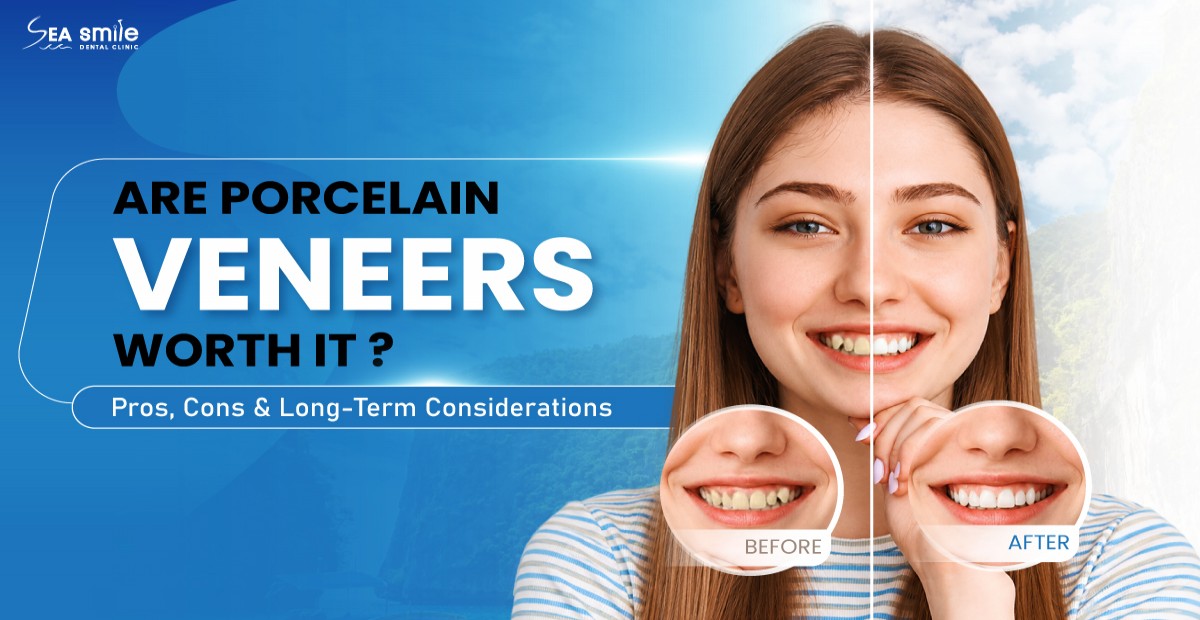
Porcelain veneers are thin ceramic shells bonded to the front surface of teeth. They are designed to improve:
-
Tooth color
-
Tooth shape
-
Tooth size
-
Smile symmetry
-
Minor alignment issues
Veneers are custom-made and permanently bonded. Once placed, they cannot simply be removed without replacement.
What Problems Can Veneers Fix?
Porcelain veneers can be effective for patients with:
Discolored Teeth
Teeth resistant to whitening treatments may benefit from veneers for a brighter appearance.
Chipped or Worn Teeth
Veneers can restore the appearance of damaged front teeth.
Small Gaps Between Teeth
Minor spacing issues can often be improved cosmetically without orthodontics.
Minor Misalignment or Uneven Tooth Shape
Veneers may create a more symmetrical and balanced smile.
They are especially useful in aesthetic zones, typically the front 6–10 teeth.
When Are Veneers Not Recommended?
Veneers are not suitable for everyone.
Severe Bite Collapse or Major Orthodontic Problems
Significant alignment problems may require orthodontic treatment first.
Advanced Gum Disease
Healthy gums are essential before placing veneers.
Poor Oral Hygiene
Long-term veneer success depends heavily on oral hygiene and maintenance.
Severe Teeth Grinding (Bruxism)
Heavy grinding can increase the risk of veneer fracture or debonding.
Placing veneers without correcting underlying functional issues can lead to treatment failure.
How Does the Veneer Procedure Work?
Dental veneer treatment typically involves:
-
Consultation and smile design
-
Tooth preparation (minimal enamel removal)
-
Digital scanning or impressions
-
Temporary veneers (if needed)
-
Final veneer bonding
The preparation stage is irreversible because enamel is permanently reduced.
How Much Tooth Structure Is Removed?
In conservative veneer cases, approximately 0.3–0.7 mm of enamel may be reduced.
Why Conservative Planning Matters
Excessive tooth preparation increases risks such as:
-
Tooth sensitivity
-
Pulp damage
-
Future crown requirements
Conservative preparation helps preserve long-term tooth health.
How Long Do Porcelain Veneers Last?
Porcelain veneers may last 10 years or longer with proper care. However, they may require replacement due to:
-
Edge wear
-
Chipping
-
Gum recession
-
Color changes in surrounding teeth
Proper maintenance and regular dental checkups are important for longevity.
Do Veneers Damage Natural Teeth?
When performed conservatively and properly bonded, veneers help protect enamel and maintain structural integrity.
However:
-
Over-preparation weakens teeth
-
Poor bonding may lead to debonding
-
Ignoring bite forces increases fracture risk
The key factor is proper treatment planning — not veneers themselves.
Should You Get Orthodontic Treatment Before Veneers?
If teeth are significantly misaligned, orthodontic treatment may reduce the need for aggressive veneer preparation.
Why Tooth Movement Can Help
Correcting crowding before veneers may:
-
Preserve more natural enamel
-
Improve bite function
-
Reduce long-term complications
Using veneers alone to “mask” severe crowding often requires excessive enamel removal.
Gum Health and Veneers
Healthy gums are essential for successful veneer treatment.
If gum inflammation exists after veneer placement, it may cause:
-
Uneven gum appearance
-
Gum bleeding
-
Aesthetic instability
-
Patient dissatisfaction
Proper gum evaluation should be completed before treatment begins.
Important Considerations for International Patients
Patients traveling for veneers should consider:
Treatment Timeline
Most veneer treatments require approximately 10 days for the regular case.
Temporary Veneers
Some patients may need temporary restorations before final bonding.
Follow-Up Care
Future maintenance and bite adjustments may still be required after returning home.
Rushing veneer placement can increase dissatisfaction and long-term complications.
When Veneers May Not Be the Best Option
Veneers may not be ideal when patients have:
-
Large existing fillings
-
Severe structural fractures
-
Bite collapse
-
Severe uncontrolled grinding habits
In these situations, crowns or other restorative approaches may be more appropriate.
Final Thoughts: Are Porcelain Veneers Right for You?
Porcelain veneers can dramatically improve a smile, but they are not cosmetic shortcuts. Successful veneer treatment requires proper diagnosis, conservative preparation, bite evaluation, and long-term maintenance.
Before choosing veneers, patients should ask not only:
“How will they look?”
But also:
“How will they function over the next 10–15 years?”
Beautiful smiles should also be healthy, stable, and biologically responsible.
Book an Online Consultation
If you are considering porcelain veneers in Thailand, our dental teams can help you evaluate your smile, discuss suitable treatment options, and create a personalized plan based on your goals and travel schedule. You can conveniently book a consultation at the branch that best fits your location and budget preference.
-
Phuket Branch: Book a Consultation in Phuket
-
Bangkok Branch: Book a Consultation in Bangkok
-
Ari Branch (Affordable Friendly Option): Book a Consultation at Dental Smile Bangkok