
Failed Dental Work: When to Redo Implants, Crowns or Bridges
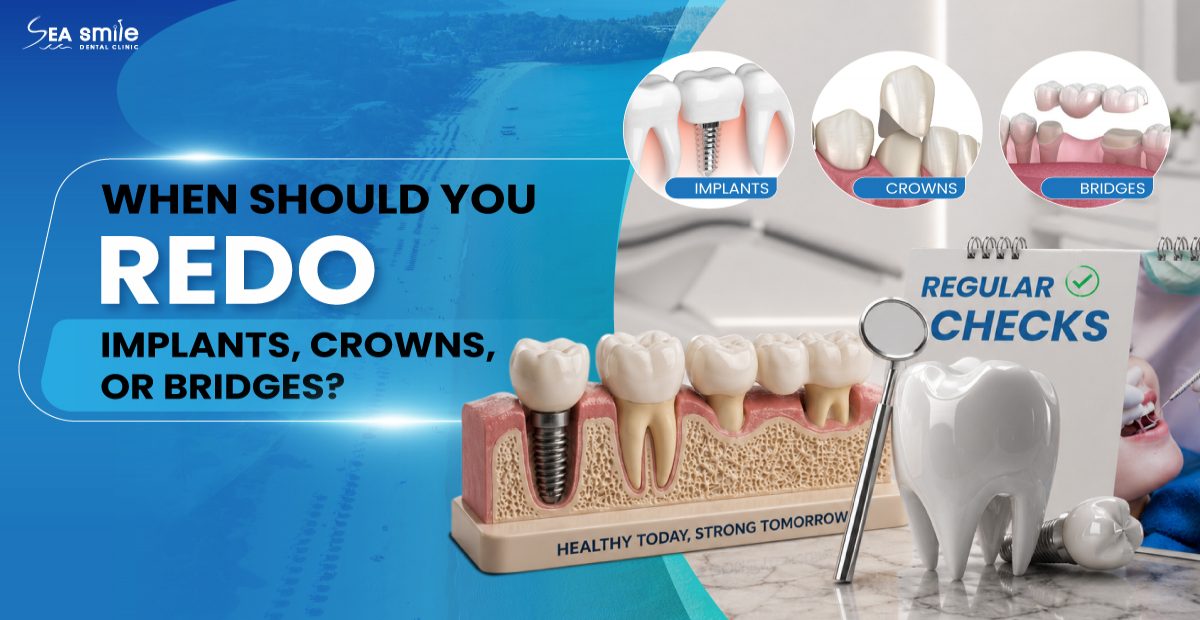
When you invest in high-quality restorative dentistry, it is designed to last for many years. However, the reality is that no dental restoration lasts forever.
Every year, many international patients seek corrective treatment because of:
- Loose dental crowns
- Failing dental bridges
- Unstable dental implants
- Chronic gum inflammation
- Bite discomfort
- Repeated restoration failures
When dental work begins to fail, replacing the restoration alone is rarely the complete solution. Long-term success depends on identifying the root cause of the problem and creating a treatment plan that restores both function and stability.
This guide explains why crowns, bridges, and implants fail, how to recognize the warning signs, and when redo treatment may be necessary.
Understanding Dental Failure: It Is Not Always a Dramatic Collapse
Many people assume failed dental work means a crown suddenly falls out or an implant breaks without warning.
In reality, dental failure is often a gradual process.
Common examples include:
- Decay developing beneath an existing crown
- Persistent gum inflammation
- Bite imbalances
- Structural fractures
- Implant instability
- Cosmetic dissatisfaction
Dental failures generally fall into three categories.
1. Mechanical Failure
The restoration itself becomes damaged, loose, chipped, or fractured.
2. Biological Failure
The surrounding tissues become compromised due to infection, inflammation, or bone loss.
3. Functional Failure
Bite forces become unbalanced, placing excessive stress on teeth, implants, and restorations.
Understanding which type of failure is present is essential before determining the correct treatment approach.
Why Do Traditional Dental Bridges Fail?
Dental bridges have been successfully used for decades, but they do have structural limitations.
1. Excessive Stress on Supporting Teeth
A bridge relies on neighboring teeth for support.
Over time, these supporting teeth may weaken because of:
- Tooth decay
- Excessive chewing forces
- Structural fatigue
- Fractures
When the supporting teeth fail, the entire bridge may fail as well.
2. Poor Hygiene Beneath the Bridge
Food and bacteria can accumulate beneath the pontic area, increasing the risk of:
- Gum disease
- Chronic inflammation
- Decay
3. Long-Span Bridge Overload
Bridges that replace multiple teeth across large gaps may experience excessive stress, leading to fractures or long-term instability.
In some cases, replacing a failing bridge with individual dental implants may provide greater long-term support.
Why Do Dental Implants Fail?
Dental implants have excellent success rates, but failures can still occur.
1. Early Implant Failure
Early failure occurs before the implant fully integrates with the surrounding bone.
Possible causes include:
- Poor bone quality
- Surgical infection
- Excessive implant movement during healing
- Underlying health conditions
Although uncommon, early failure may occur if treatment planning or healing conditions are compromised.
2. Late Implant Failure
Late failure occurs months or years after successful integration.
The most common cause is peri-implantitis, a destructive inflammatory condition that causes progressive bone loss around the implant.
Additional causes include:
- Teeth grinding
- Excessive bite forces
- Poor prosthetic design
- Lack of professional maintenance
Warning Signs You Should Never Ignore
Your mouth often provides early warning signs that something may be wrong.
Seek professional evaluation if you experience:
1. Bleeding Around Crowns or Implants
Persistent bleeding may indicate infection or inflammation.
2. Bad Taste or Unpleasant Odor
A persistent foul taste may signal bacterial activity beneath an existing restoration.
3. Looseness or Mobility
Any movement in a crown, bridge, or implant should be assessed immediately.
4. Pain While Chewing
Pain during chewing may indicate structural damage, infection, or bite-related problems.
5. Chronic Food Trapping
Food constantly getting trapped beneath a bridge may suggest a design or fit issue.
6. Repeated Chipping or Fractures
Recurring ceramic fractures often indicate excessive bite forces or structural design problems.
These symptoms should never be ignored, as early intervention often prevents more extensive treatment later.
When Is Redo Treatment Necessary?
Redo treatment may be required when a restoration can no longer function safely or predictably.
Common situations include:
- Active infection
- Structural fractures
- Progressive bone loss
- Severe bite instability
- Significant aesthetic concerns
Simply replacing the restoration is often not enough. The original cause of failure must also be addressed.
Removing Failed Dental Implants
In certain situations, implant removal may be necessary.
1. When Implant Removal Is Recommended
Removal may be required when:
- Significant bone loss is present
- Advanced infection exists
- The implant has become mobile
- The implant was placed in an unfavorable position
2. What Happens After Implant Removal?
Treatment may involve:
- Bone grafting
- Healing and stabilization
- Reassessment of the site
- Future implant replacement planning
Complex implant redo cases often require a staged treatment approach.
Cosmetic Failure vs Functional Failure
Not all dental failures involve pain or infection.
Many patients seek corrective treatment because of cosmetic concerns, such as:
- Crown color mismatch
- Dark gum recession
- Poor smile symmetry
- Bulky restorations
- Unnatural appearance
Even when restorations remain structurally stable, significant aesthetic dissatisfaction may justify corrective treatment.
How to Prevent Future Dental Failures
Although no restoration lasts forever, proper planning and maintenance can significantly improve longevity.
1. Maintain a Balanced Bite
Balanced bite forces reduce excessive stress on restorations.
2. Use High-Quality Materials
Material selection plays a major role in long-term success.
3. Prioritize Thorough Diagnosis
Comprehensive diagnosis supported by CBCT and 3D imaging helps identify potential risks before treatment.
4. Maintain Excellent Oral Hygiene
Consistent home care is essential for protecting restorations and surrounding tissues.
5. Wear a Night Guard When Recommended
Patients who grind their teeth may benefit from a custom night guard to reduce excessive forces.
Successful treatment begins with careful planning and long-term maintenance.
Fix the Cause, Not Just the Restoration
When crowns, bridges, or dental implants fail, simply replacing them may not solve the underlying problem.
Lasting success depends on identifying the root cause of failure and creating a treatment plan that restores function, stability, and long-term oral health.
With proper diagnosis, advanced planning, and expert care, even complex redo cases can achieve predictable and successful outcomes.
Book an Online Consultation
Experiencing loose crowns, failing bridges, implant problems, or repeated dental restoration failures? Our experienced dental team can review your X-rays, identify the underlying cause, and recommend the most appropriate solution before you travel.
- Phuket Branch: Book a Consultation in Phuket
- Bangkok Branch: Book a Consultation in Bangkok
- Ari Branch (Affordable Friendly Option): Book a Consultation at Smile Express Dental