
Titanium vs Zirconia Dental Implants: What’s the Real Difference?
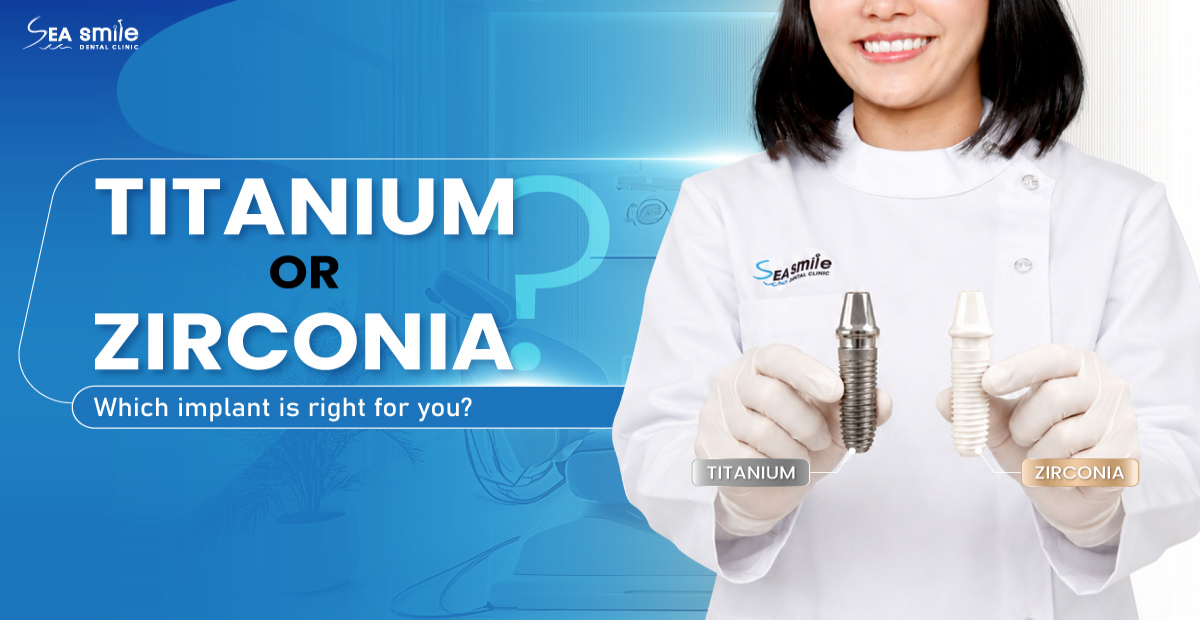
When researching dental implants, many patients discover an ongoing debate: titanium versus zirconia dental implants.
Some online sources claim titanium is outdated, while others suggest zirconia is more natural and biocompatible. This conflicting information can make it difficult for patients to determine which material is best for their needs.
The truth is that both titanium and zirconia are highly biocompatible materials that have been successfully used in implant dentistry. However, they differ in mechanical properties, aesthetics, long-term clinical evidence, and maintenance considerations.
Understanding these differences can help you make a more informed decision before undergoing dental implant treatment in Phuket.
The Gold Standard: Titanium Dental Implants
Titanium remains the most widely used implant material in modern dentistry.
In fact, when dentists refer to a standard dental implant, they are typically referring to a medical-grade titanium implant.
Titanium has been used successfully for decades in both dentistry and medicine, including:
- Hip replacements
- Knee replacements
- Orthopedic bone fixation
Its success is largely due to a biological process known as osseointegration, where the jawbone grows directly onto the implant surface and permanently anchors it into place.
Advantages of Titanium Dental Implants
Titanium implants offer several important benefits:
- More than 40 years of clinical research
- Proven long-term success rates
- Exceptional mechanical strength
- Slight flexibility that mimics natural tooth movement
- Wide prosthetic compatibility
- Extensive worldwide availability
These advantages make titanium the preferred option for most implant cases.
The Modern Alternative: Zirconia Dental Implants
Zirconia implants are often marketed as metal-free dental implants and have become increasingly popular in recent years.
Unlike titanium, zirconia implants are made from zirconium dioxide, a strong ceramic material that naturally appears white.
Because of their tooth-colored appearance, zirconia implants are often chosen for highly aesthetic situations.
Advantages of Zirconia Dental Implants
Potential benefits include:
- Metal-free composition
- Excellent biocompatibility
- Natural white color
- High compressive strength
- Suitable for patients with documented metal sensitivities
For selected cases, zirconia can be an excellent alternative to titanium.
Strength vs Brittleness: Understanding the Mechanical Differences
One of the most important differences between titanium and zirconia is how they respond to force.
1. Titanium's Advantage
Titanium possesses slight elasticity and flexibility.
This flexibility allows titanium implants to absorb and distribute chewing forces more effectively, reducing the risk of fracture under heavy functional loads.
2. Zirconia's Limitation
Although zirconia is extremely hard, it is also more brittle because it is a ceramic material.
Under significant horizontal or shear forces, zirconia may theoretically carry a higher risk of fracture compared with titanium.
3. Which Material Performs Better Under Heavy Load?
Titanium is generally preferred for:
- Back molars
- Full-mouth rehabilitation
- All-on-4 treatment
- Patients who grind their teeth
- High-stress biting situations
Its long-term mechanical reliability remains one of its greatest strengths.
Does Zirconia Look Better Than Titanium?
A common reason patients consider zirconia is aesthetics.
1. The Aesthetic Advantage of Zirconia
Because zirconia is white, it may reduce the possibility of a gray shadow showing through thin gum tissue.
This can be beneficial for:
- Thin gum biotypes
- High smile lines
- Severe gum recession cases
- Highly visible front teeth
2. Why Titanium Is Rarely Visible
Modern implant planning techniques help keep titanium completely hidden beneath healthy gum tissue.
Advanced treatment planning often includes:
- CBCT-guided placement
- Proper implant depth positioning
- Soft tissue management
- Modern ceramic crowns
As a result, titanium implants rarely create cosmetic concerns when properly planned.
Titanium Allergies and Metal Toxicity: Separating Fact from Fiction
Many patients choose zirconia because of concerns about metal allergies or titanium toxicity.
However, scientific evidence indicates that true allergies to medical-grade titanium are extremely rare.
1. What the Research Shows
Current scientific literature does not support many of the common online claims suggesting titanium implants cause systemic illness through metal toxicity.
Both titanium and zirconia are considered:
- Biocompatible
- Safe
- Clinically accepted implant materials
2. When Zirconia May Be Appropriate
If a patient has a medically confirmed metal hypersensitivity, zirconia may provide a suitable alternative.
Formal allergy testing is recommended before making treatment decisions based on suspected metal sensitivity.
Gum Health and Plaque Accumulation
Some studies suggest zirconia may accumulate slightly less bacterial plaque because of its smooth ceramic surface.
However, implant material alone does not determine long-term success.
Oral Hygiene Matters More Than Material Choice
Whether an implant is titanium or zirconia, long-term success depends heavily on:
- Daily brushing
- Flossing or water flossing
- Professional maintenance
- Smoking habits
- Overall oral hygiene
Poor maintenance can lead to inflammation and bone loss regardless of implant material.
Important Considerations for International Patients
For patients traveling abroad for dental treatment, another important factor is long-term maintenance.
1. Global Availability of Titanium Components
Titanium implant systems have become the worldwide standard.
If future maintenance is needed, most dentists can:
- Identify the implant system
- Order replacement components
- Tighten screws
- Replace crowns
2. Challenges With Zirconia Systems
Zirconia implant systems have a smaller global market share.
As a result:
- Fewer dentists may be familiar with specific systems
- Replacement parts may be harder to obtain
- Long-term maintenance may be more challenging
For international patients, titanium often provides greater long-term convenience.
Which Implant Material Is Right for You?
The answer depends on your specific clinical situation.
1. Titanium May Be Best If You:
- Need All-on-4 treatment
- Require full-mouth rehabilitation
- Have a history of teeth grinding
- Need implants in back molar regions
- Prioritize long-term durability
- Want globally supported implant systems
2. Zirconia May Be Best If You:
- Need a highly aesthetic front tooth replacement
- Have extremely thin gum tissue
- Have a medically confirmed metal allergy
- Prefer a metal-free solution
The best implant material is the one that matches your anatomy, functional requirements, aesthetic goals, and long-term maintenance needs.
There Is No One-Size-Fits-All Solution
Both titanium and zirconia implants are excellent treatment options.
Titanium remains the gold standard because of its proven long-term performance, flexibility, and worldwide support network.
Zirconia offers a highly aesthetic, metal-free alternative that may be appropriate for selected patients.
Rather than following online trends, implant selection should always be based on a comprehensive evaluation of your individual needs and treatment goals.
Book an Online Consultation
Not sure whether titanium or zirconia implants are right for you? Our experienced implant team can review your X-rays, assess your bone condition, and recommend the most appropriate implant solution based on your clinical needs, aesthetic goals, and long-term treatment plan.
- Phuket Branch: Book a Consultation in Phuket
- Bangkok Branch: Book a Consultation in Bangkok
- Ari Branch (Affordable Friendly Option): Book a Consultation at Smile Express Dental