
Severe Tooth Wear Causes, Symptoms & Treatment Options
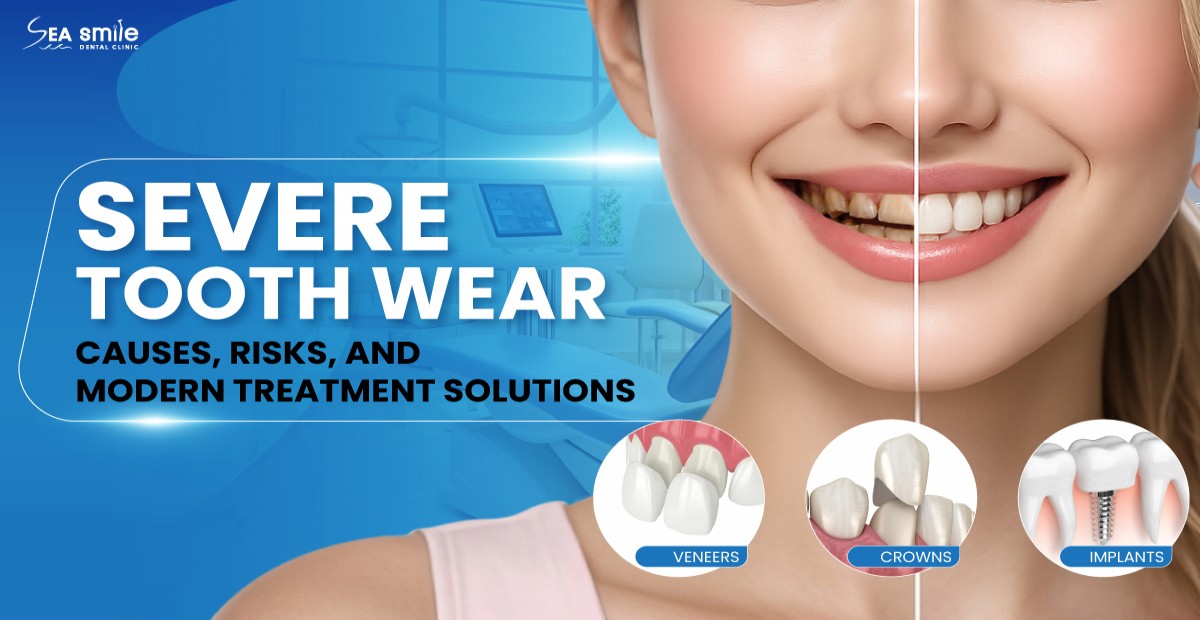
Tooth wear is a natural part of aging, but excessive tooth wear is not.
While mild enamel wear develops gradually over many years, severe tooth wear is a destructive condition that can significantly affect your oral health, facial appearance, chewing ability, and long-term dental function.
Many people don't realize they have severe tooth wear until their teeth become noticeably shorter, more sensitive, or begin to crack.
By that stage, treatment often becomes much more complex.
This guide explains what severe tooth wear is, why it happens, the warning signs you should never ignore, and the modern treatment options available to restore both your smile and bite.
What Is Severe Tooth Wear?
Tooth wear refers to the gradual loss of natural tooth structure.
While minor wear is expected over a lifetime, severe tooth wear occurs when enamel loss becomes excessive, exposing the softer dentin underneath.
As the protective enamel disappears, teeth become:
- Shorter
- Flatter
- More sensitive
- Structurally weaker
Without treatment, severe tooth wear can eventually lead to bite collapse, difficulty chewing, fractured teeth, and the need for full-mouth rehabilitation.
What Causes Severe Tooth Wear?
Severe tooth wear rarely has a single cause.
In most patients, several contributing factors work together over many years.
1. Bruxism (Teeth Grinding)
Bruxism is one of the leading causes of severe tooth wear.
Grinding and clenching place excessive pressure on the teeth—especially during sleep—causing enamel to wear away much faster than normal.
Common consequences include:
- Flattened chewing surfaces
- Chipped enamel
- Tooth fractures
- Jaw muscle fatigue
- Reduced facial height
2. Acid Erosion
Unlike grinding, acid erosion damages teeth chemically.
Acid softens enamel, making it much easier for everyday chewing to wear teeth down.
Common causes include:
- Soft drinks
- Sports drinks
- Citrus fruits
- Acid reflux (GERD)
- Frequent vomiting
As enamel becomes thinner, teeth often become highly sensitive to hot and cold foods.
3. Bite Imbalance (Occlusal Problems)
A healthy bite distributes chewing forces evenly.
When teeth no longer meet correctly, excessive pressure is concentrated on certain teeth.
Over time this can lead to:
- Localized tooth wear
- Tooth mobility
- Cracked teeth
- Bite collapse
Because bite imbalance develops slowly, many patients are unaware of the problem until significant damage has already occurred.
Warning Signs of Severe Tooth Wear
Your teeth often provide clear warning signs before severe damage occurs.
Common symptoms include:
- Shortened front teeth
- Flattened chewing surfaces
- Chipped enamel
- Tooth sensitivity
- Jaw muscle pain
- Frequent headaches
- Difficulty chewing
- Premature facial aging
As tooth wear progresses, the lower face may appear shorter due to the loss of vertical dimension.
Why Quick Cosmetic Repairs Usually Fail
Many patients hope that simple bonding or minor cosmetic repairs will solve severe tooth wear.
Unfortunately, these treatments often fail when the underlying bite problem remains untreated.
For example, placing composite bonding on heavily worn teeth without correcting bite imbalance usually results in repeated chipping and fractures.
Successful treatment requires correcting the cause—not simply repairing the visible damage.
How Is Severe Tooth Wear Treated?
Treatment depends on the severity of enamel loss, bite stability, and the overall condition of the teeth.
Phase 1 – Protect and Stabilize the Bite
Before rebuilding worn teeth, dentists first control the factors causing the damage.
Treatment may include:
- Custom night guards
- Bruxism management
- Muscle stabilization therapy
Without stabilizing the bite, new restorations are unlikely to last.
Phase 2 – Restore Lost Vertical Dimension
When teeth become significantly shorter, the height of the bite must be restored gradually.
This process often involves:
- Temporary restorations
- Bite testing
- Muscle adaptation
- Careful monitoring
Restoring the bite too quickly can overload the jaw joints and muscles.
Phase 3 – Restore Teeth with Modern Restorations
Once the bite is stable, damaged teeth can be rebuilt using restorations such as:
- Porcelain veneers
- Digital crowns
- Full-coverage crowns
The treatment chosen depends on how much healthy tooth structure remains.
Phase 4 – Full-Mouth Rehabilitation
Patients with advanced tooth wear affecting multiple teeth often require comprehensive full-mouth rehabilitation.
Treatment may include:
- Bite analysis
- Diagnostic wax-up
- Temporary restorations
- Final ceramic restorations
Rather than repairing one tooth at a time, this approach restores the entire chewing system for long-term function and stability.
How to Protect Your Restored Smile
Successful treatment does not end once the restorations are completed.
To maintain long-term results, patients should:
- Wear a custom night guard if recommended
- Maintain excellent oral hygiene
- Attend regular dental check-ups
- Monitor bite stability over time
Ongoing maintenance helps protect both your natural teeth and your restorations.
When Should You See a Dentist?
You should arrange a dental evaluation if you notice:
- Teeth becoming shorter
- Increasing tooth sensitivity
- Frequent chipping
- Difficulty chewing
- Jaw discomfort
- Changes in your bite
Early diagnosis may prevent severe tooth wear from progressing to the point where full-mouth reconstruction becomes necessary.
Book an Online Consultation
If your teeth appear shorter, flatter, or have become increasingly sensitive, don't wait until the damage becomes more severe.
Our experienced restorative dentists can assess the cause of your tooth wear, evaluate your bite, and create a personalised treatment plan to restore your smile, comfort, and chewing function. Book a Consultation in Phuket